
Pedestrian Accident Lawyer In Los Angeles
A normal day shouldn’t end with you in pain, dealing with medical visits, missed work, and unanswered questions. But when a pedestrian accident happens, everything shifts quickly. One moment, you’re walking where you’re supposed to be. Next, you’re trying to understand how a driver’s mistake turned into something that now affects your health, your routine, and your finances.
At a time like this, clarity matters. You need to know what your rights are, what steps to take, and how to avoid decisions that could limit your recovery. That’s where experienced legal guidance from Matthew Blair can make a difference, helping you move forward with a clear plan instead of uncertainty.
What You May Be Dealing With After a Pedestrian Accident
After a pedestrian accident, things can feel unsettled quickly. Injuries may not show up right away, but pain and limitations often follow. At the same time, insurance calls, medical visits, and time away from work can create added stress. It’s common to feel unsure about what to do next or whether you’re handling things correctly, especially while trying to recover.
Understanding a Pedestrian Accident Claim
A pedestrian accident claim is not just about reporting the incident. It’s about clearly showing how it has changed your life. This includes immediate medical care, follow-up treatment, rehabilitation, and any future medical needs. It also covers lost wages, reduced earning capacity, and the way your daily routine has been affected physically and emotionally.
Many people underestimate how quickly these losses accumulate or how long recovery can take. Insurance companies often try to settle early and for less than what a case is truly worth. That’s why proper documentation and strong evidence matter.
A well-prepared claim ensures your injuries and losses are fully understood and fairly evaluated, rather than reduced to a quick settlement that doesn’t reflect your actual situation or long-term needs.
Common Types of Pedestrian Accident Cases
Pedestrian accidents can happen in different ways, but certain situations occur more frequently and often lead to serious disputes over fault and damages.
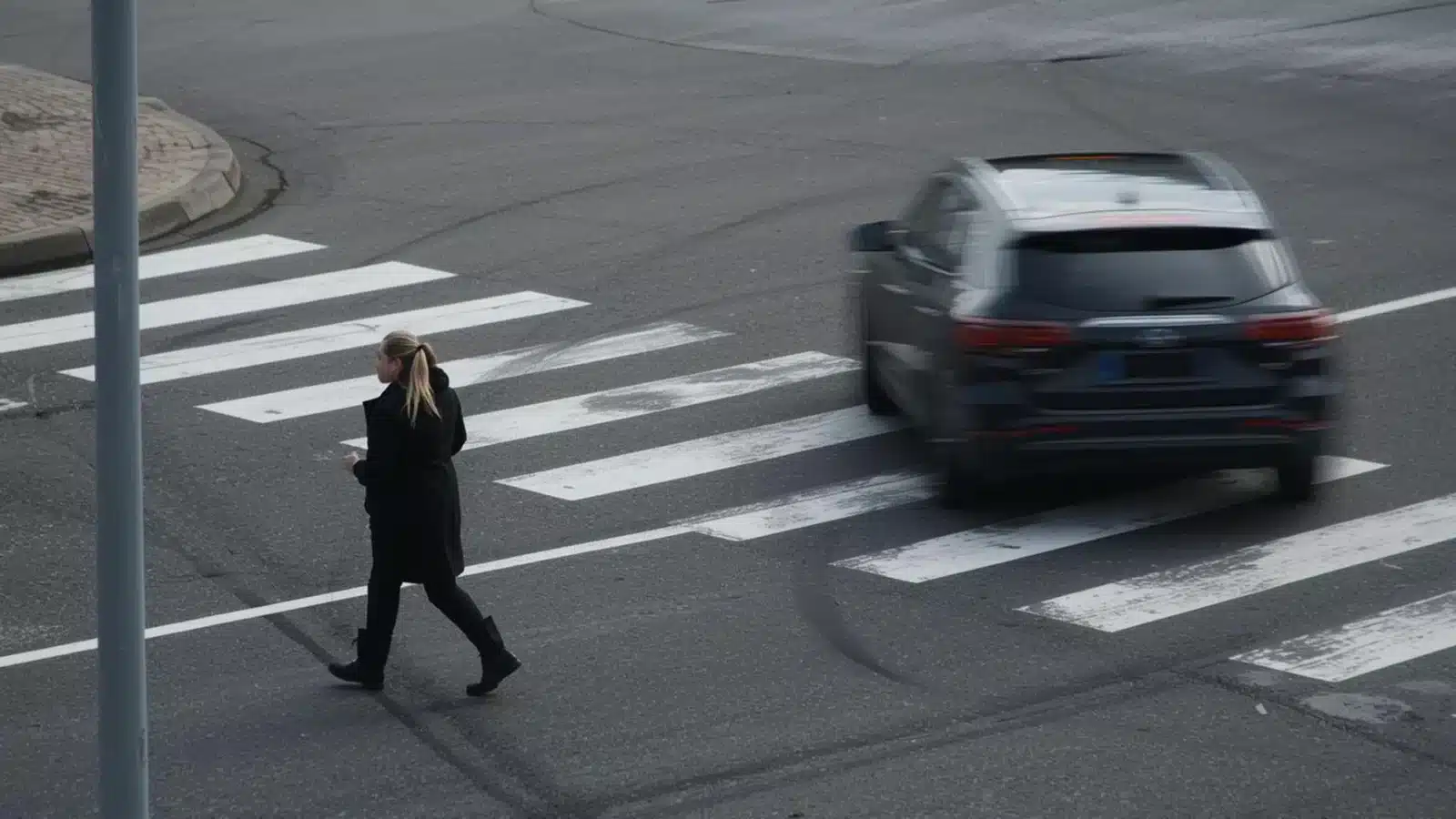
Crosswalk Accidents
These occur when a pedestrian is lawfully crossing, but a driver fails to yield. Disputes often involve traffic signals and right-of-way.
Distracted Driving Accidents
Drivers using phones or not paying attention may fail to notice pedestrians in time, leading to preventable collisions.
Speeding-Related Incidents
Excessive speed reduces reaction time and increases the severity of injuries, often making these cases more serious.
Turning Vehicle Accidents
Drivers making left or right turns may focus on oncoming traffic and overlook pedestrians crossing legally.
Parking Lot Accidents
Even at low speeds, drivers can fail to see pedestrians in crowded or poorly marked areas.
Hit-and-Run Cases
When a driver leaves the scene, it creates additional challenges in identifying liability and pursuing compensation.
Residential and School Zone Accidents
These cases often involve heightened expectations for driver caution, which can influence how liability is evaluated.
Low Visibility Accidents
Poor lighting or weather conditions can complicate claims, especially when drivers argue they could not see the pedestrian.

What Compensation May Include
After a pedestrian accident, compensation may cover more than immediate medical expenses. It can include ongoing treatment, rehabilitation, lost income, reduced ability to work, and the broader impact on your quality of life.
Insurance companies may not fully explain these categories or may present early offers that don’t reflect long-term needs. Understanding the full scope of your claim before accepting any settlement is essential to protecting your recovery.
How the Legal Process Works
While the process may seem complex at first, it generally follows a structured path:
- A consultation to review your case and explain your options
- Collection of evidence, including medical records and accident reports
- Filing the claim and managing communication with insurance companies
- Negotiation for a fair settlement or proceeding to litigation if necessary
Each step is designed to ensure your claim is handled properly and your losses are fully considered.
Frequently Asked Questions
How much does it cost to hire a pedestrian accident lawyer?
Most cases are handled on a contingency basis, meaning there are no upfront fees. Payment is only made if compensation is recovered.
How long will my case take?
The timeline depends on the complexity of the case and the extent of your injuries. Some cases resolve within months, while others take longer.
What evidence is needed to support my claim?
Important evidence includes accident reports, medical records, photographs, witness statements, and any documentation of your losses.
Can I still file a claim if symptoms appear later?
Yes. It’s common for injuries to develop over time, and delayed symptoms can still be part of a valid claim.
Speak With Someone About Your Case
You don’t need to have all the answers before reaching out. What matters is understanding your situation and knowing what steps to take next.
Reach out to Matthew Blair’s office to gain clarity. The sooner you understand your options, the better positioned you are to protect your recovery and make informed decisions moving forward.