
Bicycle Accident Lawyer in Los Angeles
Riding a bike in Los Angeles should feel simple. You move with traffic, follow the road, and expect drivers to see you. But reality doesn’t cooperate that neatly. One distracted turn. One missed signal. One car too close. And suddenly your day stops belonging to you. After a bicycle crash, most people don’t deal with just one problem. They deal with pain that shifts over time, confusion that comes in waves, and insurance pressure that shows up early and moves fast. That imbalance is where things go wrong. A bicycle accident lawyer in Los Angeles helps steady that imbalance so your case reflects what happened, not what gets simplified later. Matthew Blair builds these cases around real injuries, real losses, and real recovery timelines. Not shortcuts.
What Changes Immediately After a Bicycle Crash
Right after a crash, your body often lies to you. Adrenaline covers pain. Shock delays clarity. You might stand up and think you’re fine, then feel everything change hours later when movement suddenly feels different. Meanwhile, everything around you speeds up. People start talking. Drivers explain. Insurance calls begin earlier than expected. And you’re still trying to understand what just happened. That gap (between what you feel and what others expect from you) is where mistakes begin. A common pattern looks like this: someone skips a doctor visit because they “feel okay,” then pain worsens two days later. Or they accept quick instructions from an insurer before they fully understand the injury. Those early decisions often shape the entire case. And this is usually the point where experienced legal help becomes important, not later when things are already complicated.
How Fault Is Determined in Bicycle Accidents
Fault in bicycle accidents rarely comes down to memory alone. People remember moments differently, especially under stress. Drivers often say they didn’t see the cyclist. Cyclists often say they had the right of way. Both can sound true in the moment, but neither decides the case. What matters is evidence. Traffic flow. Signal timing. Vehicle positions. Road design. Camera footage. Witness accounts. Even small details, like the angle of a turn or braking distance, can change everything. For example, a driver may insist they had time to turn. But footage may show a cyclist already entering the intersection. Or a cyclist may believe they had right of way, but signal timing proves otherwise. Insurance companies tend to simplify this early. They prefer quick conclusions over full analysis. That’s where strong representation matters, keeping the focus on facts, not assumptions.
What Your Bicycle Accident Claim Covers
A bicycle accident claim isn’t just about fixing damage. It’s about mapping how your life changed after the crash. Medical care is only the starting point. Recovery often continues long after the first hospital visit, especially when pain doesn’t show up immediately or worsens over time. But the impact doesn’t stop there. Work routines change. Sleep gets disrupted. Confidence on the road shifts. Even simple travel can feel different after a serious collision. A common situation looks like this: someone returns to work after a few days, but struggles with shoulder pain that affects focus and stamina for weeks. That second layer of impact often gets missed if no one documents it properly. Insurance companies usually focus on what is easiest to count. Real recovery doesn’t work that way.
Common Bicycle Accident Cases in Los Angeles
Cycling accidents follow patterns. Once you see them, you realize how often they repeat.
Vehicle Door Collisions
A parked car opens into a cyclist’s path without warning. You don’t get time to adjust.
Right Turn Intersection Crashes
A vehicle turns right while a cyclist continues straight through the intersection.
Left Turn Crossing Impacts
A driver turns left across incoming bicycle traffic, misjudging distance or speed.
Bike Lane Encroachment Incidents
A vehicle drifts or merges into a bike lane, forcing a sudden reaction.
Rear-End Bicycle Collisions
A cyclist stops at a light or signal, and a driver behind fails to brake in time.
Hit-and-Run Bicycle Accidents
A driver leaves immediately after impact, leaving the cyclist injured and alone at the scene.
Road Defect Bicycle Crashes
Potholes, broken pavement, or unsafe road conditions cause sudden loss of control.
Multi-Vehicle Bicycle Collisions
Multiple drivers contribute to a chain reaction where the cyclist gets caught in between.
Commercial Vehicle Bicycle Accidents
Large trucks or delivery vehicles create blind spot risks during turns or lane changes.
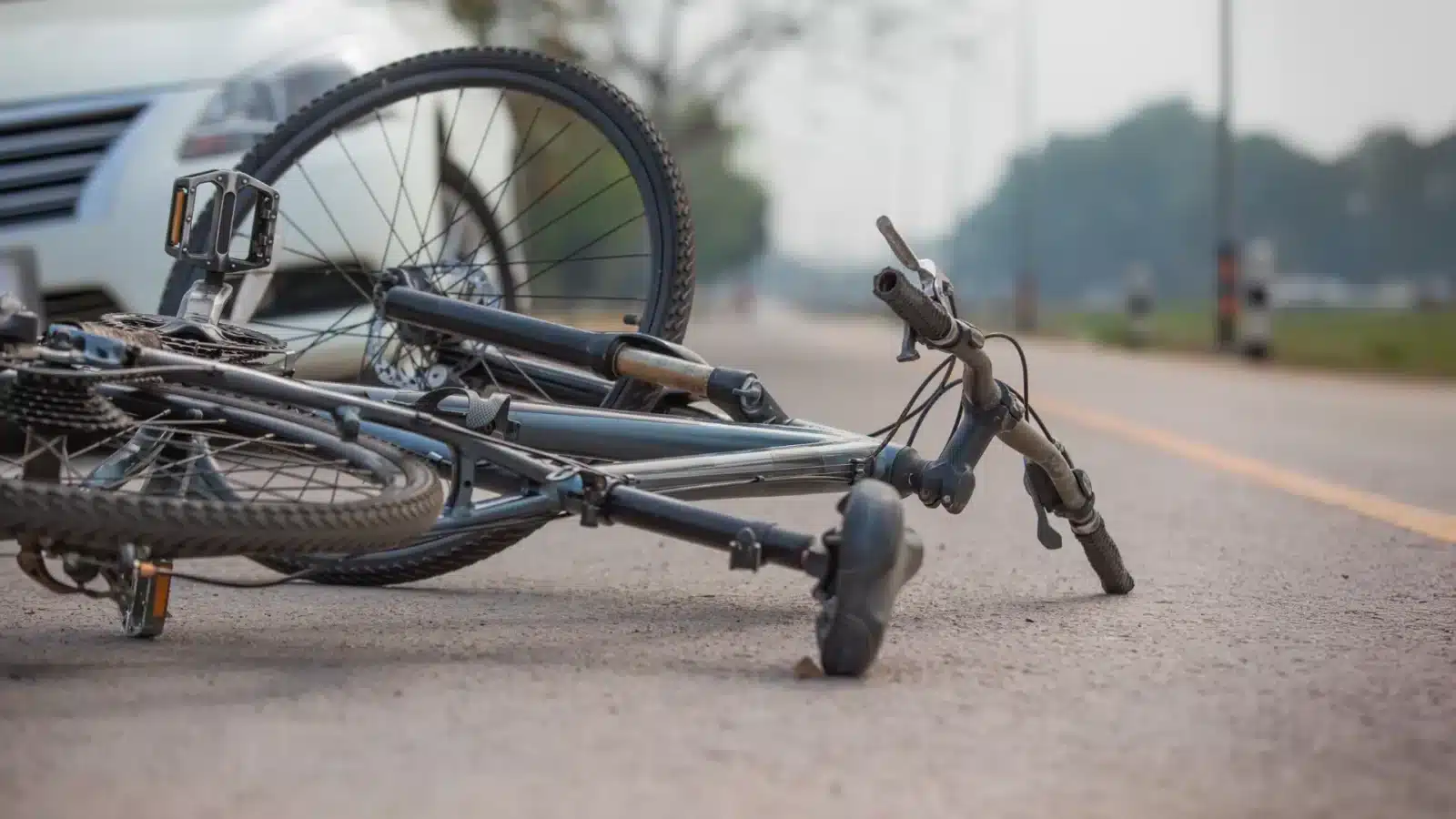
Injuries Common in Bicycle Crashes
Bicycle injuries are unpredictable because the body absorbs direct impact. Some are obvious right away, like broken bones or visible wounds. Others take time to show up. Neck and back strain often appear after the body cools down. Wrist and shoulder injuries can worsen with movement. Head injuries can exist even when there’s no immediate visible sign. A cyclist might walk away from a crash thinking it’s minor, only to struggle with headaches or stiffness days later. That delay is common, and it matters more than most people realize when building a case.
Compensation in Bicycle Accident Claims
Compensation isn’t just about immediate bills. It’s about what the crash changes over time. That includes medical treatment, ongoing therapy, missed work, and future limitations caused by the injury. But there’s also a quieter impact. Some people lose confidence riding again. Others adjust daily routines around pain. Some avoid certain roads or situations entirely. Insurance companies often focus on early numbers because they’re easier to close. But real recovery stretches beyond that window. That is why evaluation matters because short-term offers rarely match long-term reality.
How the Bicycle Accident Claim Process Works
The process usually moves in steps, but timing matters more than people expect. It follows a structured path
- Case review and consultation with Matthew Blair
- Collection of evidence such as reports, photos, and medical records
- Filing claims with insurance companies
- Negotiation for settlement or court action if necessary
Each step depends heavily on documentation and timing. A delayed medical visit can weaken a claim even if the injury is real. Early records often make the difference between acceptance and dispute.
Frequently Asked Questions
Do I need legal help after a bicycle crash?
It depends on injury severity and whether fault is disputed. Many people wait too long and lose leverage.
How does payment work?
Most cases use contingency fees. No upfront cost. Payment comes from recovery.
What if symptoms show up later?
That happens often. Delayed pain still counts if it’s properly documented.
How long will it take?
It depends on recovery time and how the insurance company responds. Some cases resolve quickly, others don’t.

Moving Forward After a Bicycle Accident
Most people try to return to normal quickly after a crash. That instinct is understandable, but it often leads to gaps: missed documentation, rushed decisions, and undervalued claims. The better question is not “how fast can I move on,” but “what needs to be protected right now so nothing gets lost later?” A bicycle accident lawyer in Los Angeles helps keep that focus steady while recovery unfolds. Because once the facts get blurred, it becomes harder to rebuild them later. Reach out to Matthew Blair now.